
Video and photo gallery
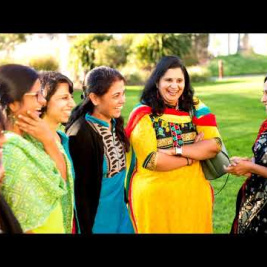
In November 2016, the Culturally Responsive Domestic Violence Network (CRDVN) assembled more than 150 leaders and funders in the DV field for a two-day training institute.
See how Alameda County is integrating primary and behavioral health care for its most vulnerable patients.
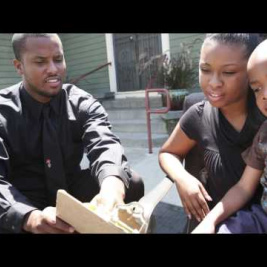
Jenesse Center, Inc. and Watts Healthcare Corporation are working together to improve intervention and screening for domestic violence within the healthcare system, as well as to connect survivors to needed services.
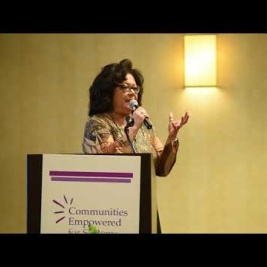
In Novermber 2016, the Culturally Responsive Domestic Violence Network gathered for Communities Empowered for Systems Change: A peer-led institute. This keynote address from Elaine Whitefeather, executive director of A Community for Peace, highglights the importance of culturally responsive
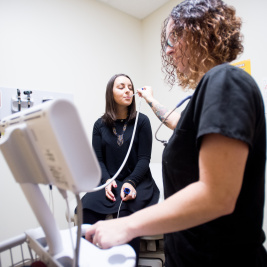
The Sacramento Native American Health Center Inc. (SNAHC) is a Federally Qualified Health Center serving Sacramento. The health center is committed to enhancing quality of life for the community by providing a culturally responsive, holistic, and patient-centered approach to care. Though 26% of
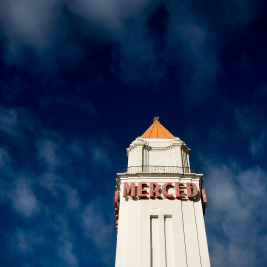
In Merced County, a collaborative effort among primary care, emergency department, and mental health providers is improving care transitions and reducing ER visits for patients in need of behavioral health and substance-use services.
Take a look at how working together is helping safety net providers ensure that no patient falls through the cracks.
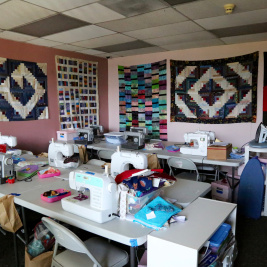
Next Door Solutions to Domestic Violence serves women and families throughout Santa Clara County.
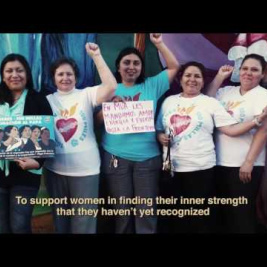
Through the lens of personal experience, this video helps demonstrate the impact of domestic violence on survivors, families, and entire communities. It also highlights hope and new solutions. Championed by Mujeres Unidas y Activas (MUA), their efforts focus on a two-pronged approach that includes
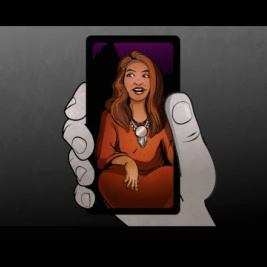
The California Consortium for Urban Indian Health (CCUIH) worked with the Injunuity project to develop a Red Women Rising animated vignette to raise awareness about domestic violence against Urban Indian women. CCUIH’s Red Women Rising project, funded by Blue Shield of California Foundation,

My Sister's House seeks to eliminate domestic violence in the Asian and Pacific Islander community and increase the self-determination of Asian and Pacific Islander women. This includes through My Sister’s Café in Sacramento, which works to help domestic violence survivors “get back on their feet”
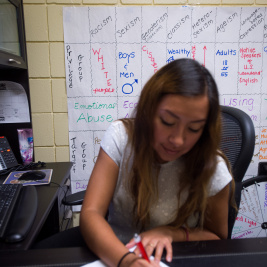
Center for Community Solutions works to end relationship and sexual violence in San Diego by building safe and healthy communities and promoting social justice.
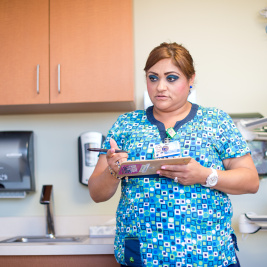
Family Health Centers of San Diego provide affordable, high-quality health care and services in the San Diego region with a special commitment to the uninsured, low-income and medically underserved.
San Diego American Indian Health Center offers high-quality health care for San Diego’s urban American Indian population, with special respect paid to cultural customs and tradition.
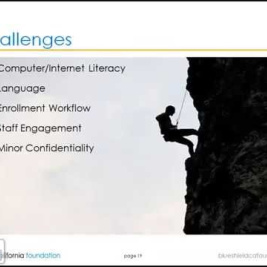
Advances in technology provide community health centers with more options for communicating and engaging with patients than ever before. Even with the “digital divide” in internet access between lower- and higher-income populations, there’s still a strong desire among safety-net patients to access

Webinar recording from May 13, 2015. Includes discussion of new research findings and real world examples from experts and practitioners working to integrate behavioral health and primary care in California's safety net.
This video provides an overview of the Strong Field Project and shares thoughts and experiences of some particiapants.
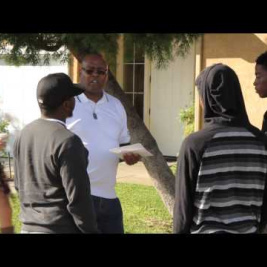
By engaging African American men and boys, Interval House is using a culturally-grounded approach to develop new anti-violence advocates in their community. With years of experience and expertise in providing comprehensive domestic violence services to families and survivors across Los Angeles and

Korean American Family Services (KFAM) in Los Angeles is leading a community-driven effort with Korean faith leaders to improve domestic violence outreach and education, increase referral sources, and develop innovative ideas and approaches to better serve survivors and their families. Building

East Los Angeles Women's Center is empowering women in their community to become activists and advocates against domestic violence. Working in homes, churches, schools, and other places where women meet, trained Promotoras are bridging cultural divides to reach isolated and hard-to-reach survivors